
Expansion Joints
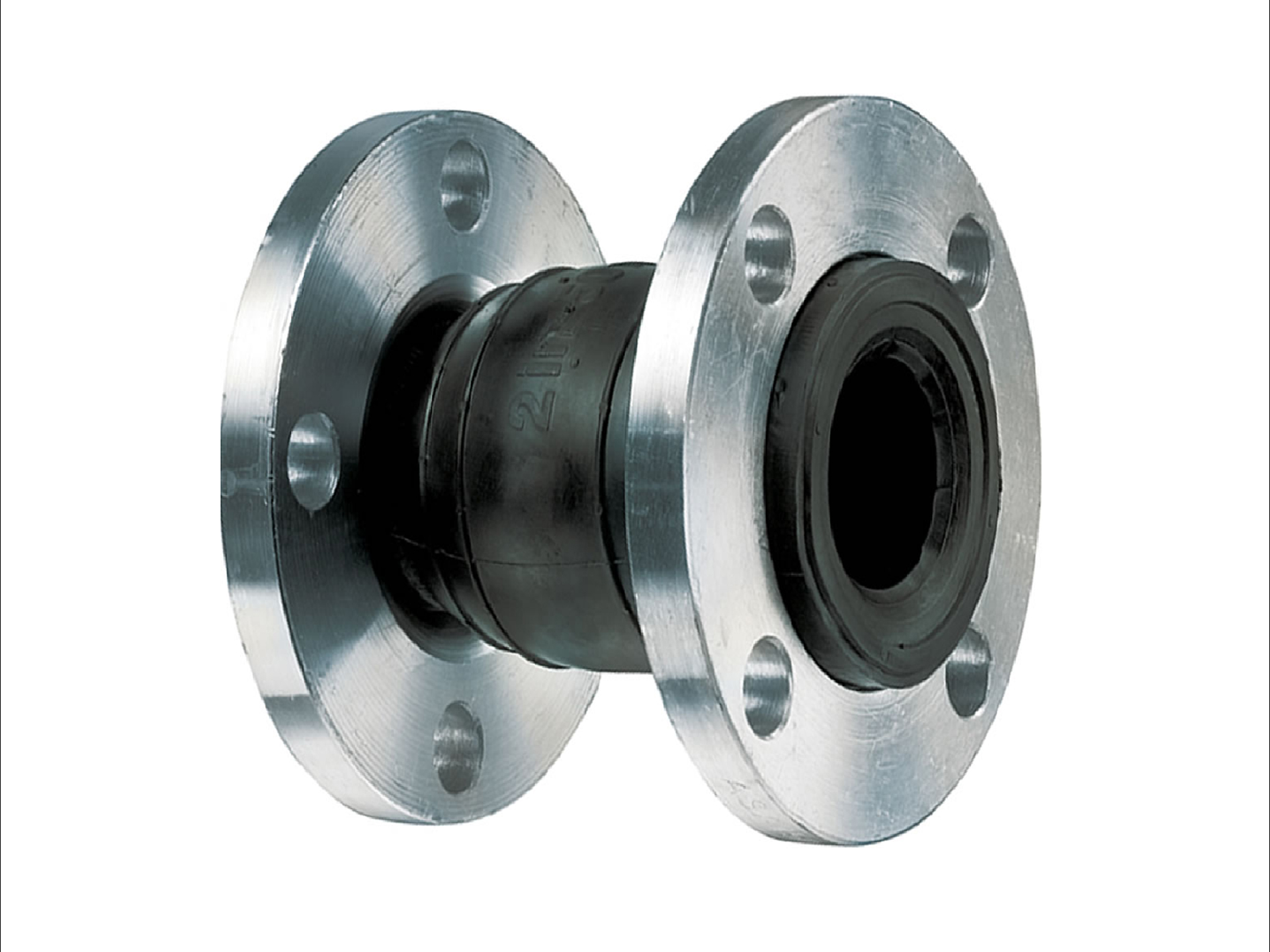
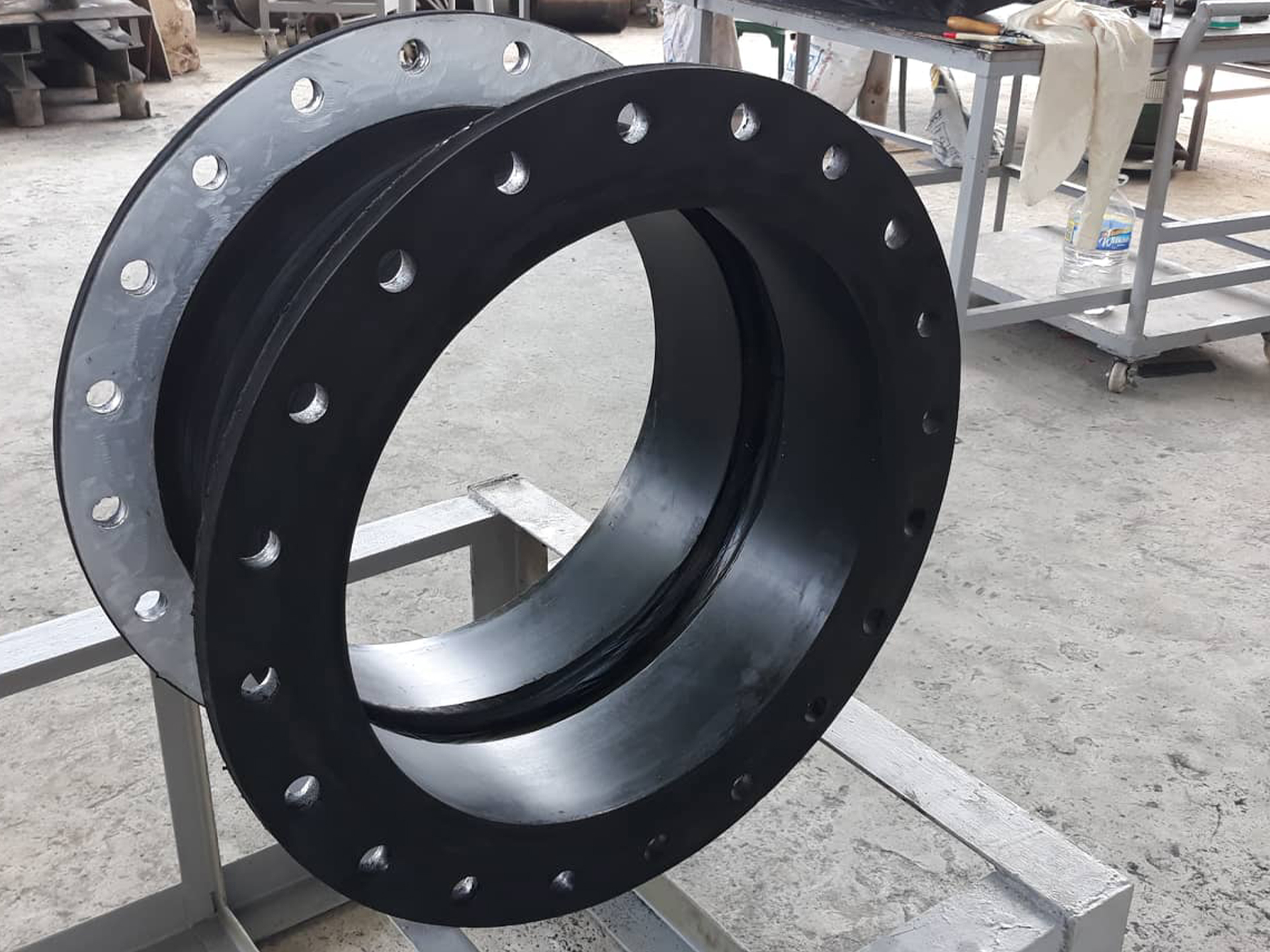
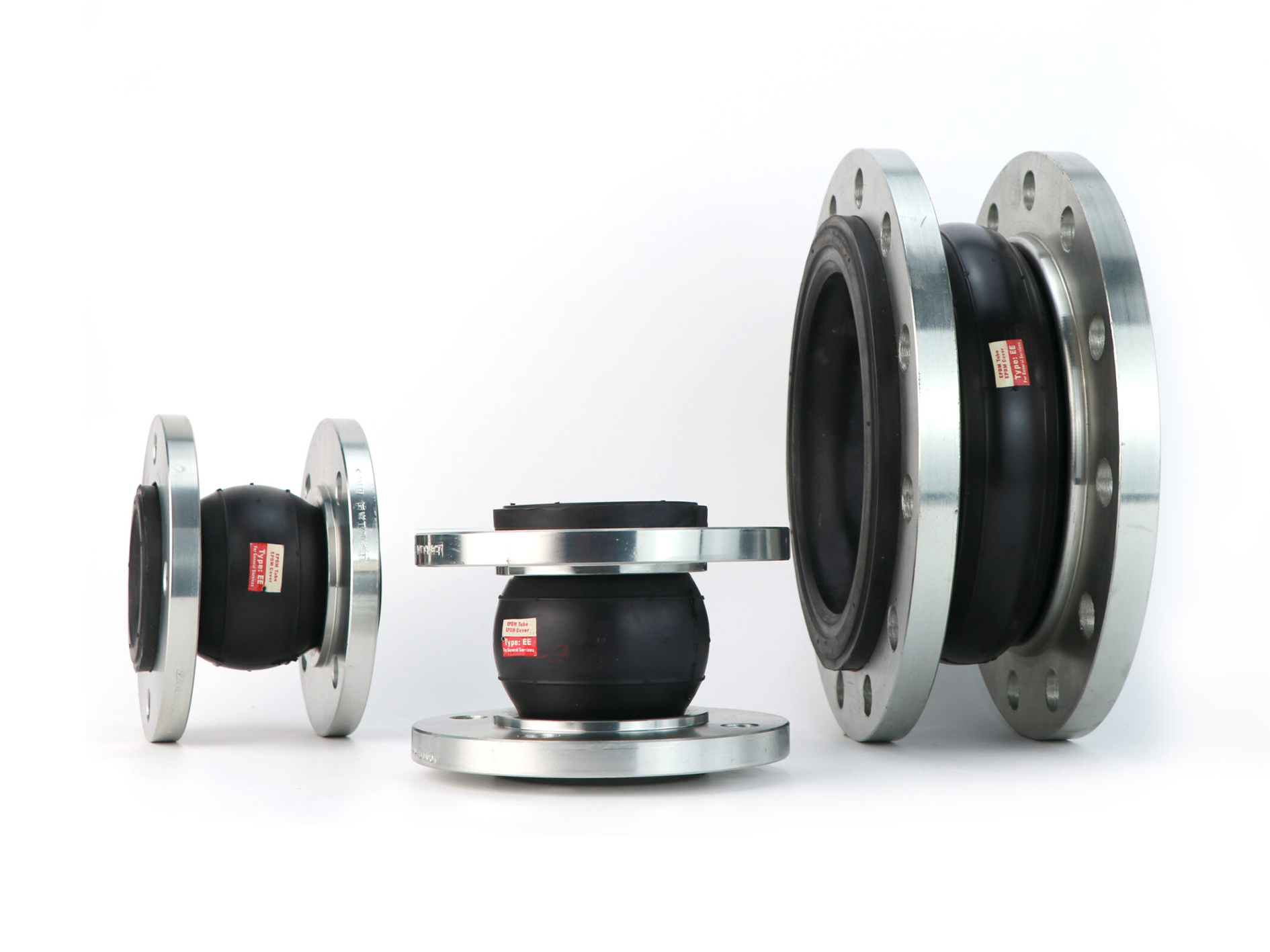
Expansion Joints are crucial components in piping systems designed to absorb thermal expansion, vibrations, and misalignment. They are essential for maintaining the integrity and longevity of pipelines and equipment by accommodating the natural movements and stresses that occur during operation.
Engineering Overview
Key Properties :
- Material Composition : Expansion joints can be made from various materials, including rubber, metal, and fabric. Each material is chosen based on the specific application requirements, such as temperature, pressure, and chemical resistance.
- Rubber Expansion Joints : Made from elastomers such as EPDM, Nitrile, or Neoprene, these joints are ideal for absorbing vibrations and accommodating moderate thermal expansion.
- Temperature Range : Expansion joints are designed to handle a wide range of temperatures, from cryogenic temperatures as low as -200°C to high temperatures exceeding +1000°C, depending on the material.
- Pressure Range : They can accommodate a broad spectrum of pressures, from low-pressure systems to high-pressure applications, ensuring the safety and efficiency of the pipeline.
Types of Expansion Joints :
Axial Expansion Joints :
- Description : Designed to absorb axial movement (lengthwise expansion or contraction) in a pipeline.
- Features : Typically includes a bellows element that compresses or extends to accommodate movement.
- Applications : Ideal for handling thermal expansion and contraction in horizontal pipelines.
Lateral Expansion Joints :
- Description : Absorbs lateral movement (side-to-side displacement) and offsets in pipelines.
- Features : Utilizes a flexible bellows or a combination of bellows and metal elements to accommodate movement.
- Applications : Commonly used where pipelines need to bend or where misalignment occurs.
Angular Expansion Joints :
- Description : Accommodates angular deflection or changes in alignment between connected pipes.
- Features : Includes a flexible bellows that can bend and accommodate angular movements.
- Applications : Suitable for applications with misaligned pipes or where pipes change direction.
Universal Expansion Joints :
- Description : Suitable for applications with misaligned pipes or where pipes change direction.
- Features : Consists of two or more bellows elements connected by a pipe or fitting, allowing for multi-directional movement.
- Applications : Used in complex systems where multiple types of movement occur simultaneously.
Engineering Considerations :
- Design and Sizing : Proper design and sizing of expansion joints are critical for ensuring their effectiveness and longevity. Factors such as pipe diameter, expected movement, pressure, temperature, and fluid type must be considered..
- Calculation of Movements : Engineers use formulas and software to calculate the required size and type of expansion joint based on expected thermal expansion, vibration, and pressure conditions.
- Material Selection : Choosing the right material for the expansion joint is crucial for its performance. Factors include chemical compatibility, temperature resistance, and mechanical strength.
- Installation : Correct installation is essential for the proper functioning of expansion joints. Misalignment, improper support, and inadequate anchoring can lead to premature failure.
- Support and Anchoring : Proper support and anchoring of the adjacent piping are necessary to prevent excessive stress on the expansion joint.
- Maintenance : Regular inspection and maintenance of expansion joints ensure their continued performance and prevent leaks or failures.
Standards :
Expansion joints are manufactured to meet various international standards to ensure quality, safety, and performance. Key standards include:
- ISO 9001 : Quality management systems standard ensuring consistent product quality.
- ASME B16.36 : Standard for pipe flanges and flanged fittings, covering design and testing of expansion joints.
- DIN 2826 : German standard for rubber expansion joints, focusing on design and manufacturing.
- API 682 : Standard for shaft seals in rotating equipment, which includes specifications for expansion joints used in pump and compressor applications.